You have probably read both takes on Tamarindo, Costa Rica. One says it is the easiest, most fun beach base in the country for a first trip. The other calls it “Dirty Tam,” says it feels like Florida, and warns that it is not the real Costa Rica.
Both are describing the same town. The question is which version matches the trip you are planning.
Here is the honest call. Tamarindo suits surfers, first-timers who want convenience, people who like nightlife and good restaurants, and families who want walkable beach access.
Base somewhere else if you came for quiet fishing villages, wildlife and rainforest, or a tight budget. If you do go, fly into Liberia, not San José, and give it two to three nights.
Is Tamarindo Too Touristy? The Honest Answer
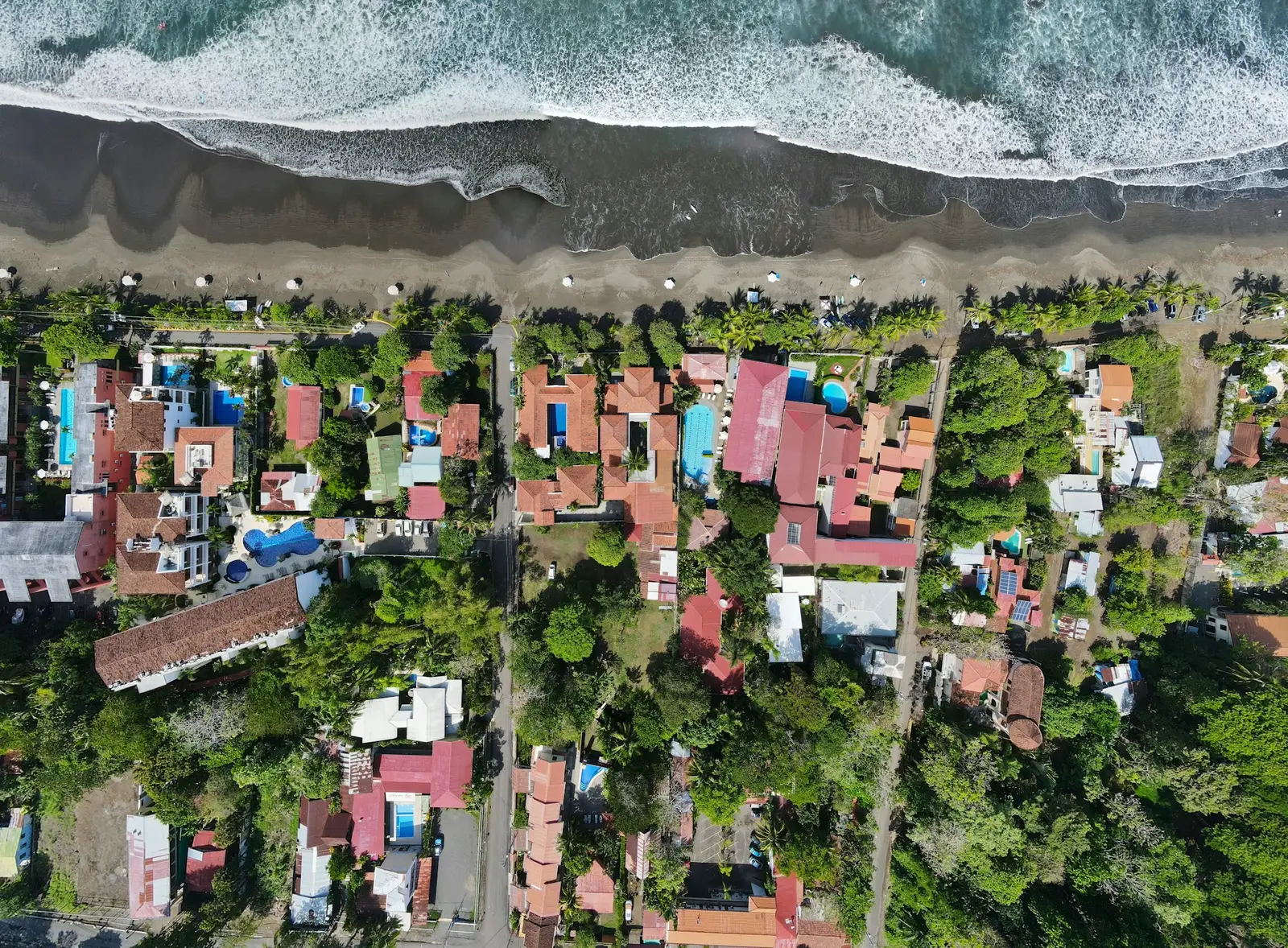
Tamarindo is the most developed beach town in Guanacaste. That is the whole story, both the good and the bad.
The upside is real. One main road runs along the beach, lined with surf shops, restaurants, and bars, and almost everything is within a short walk.
You can land at Liberia, drive a little over an hour on paved road, and be in the water the same afternoon. For a first Costa Rica trip, that convenience is hard to beat.
The downside is also real. Development has been dense and fast, and the bar strip earns the “Dirty Tam” nickname on a busy weekend. Travelers who wanted a sleepy Costa Rican village leave disappointed, and they are not wrong to feel that way.
Tamarindo is a resort town that grew up around surf, not a working fishing village that happens to have a beach. Knowing which one you want is the entire decision.
Who Tamarindo Is Right For, and Who Should Base in Nosara or Santa Teresa
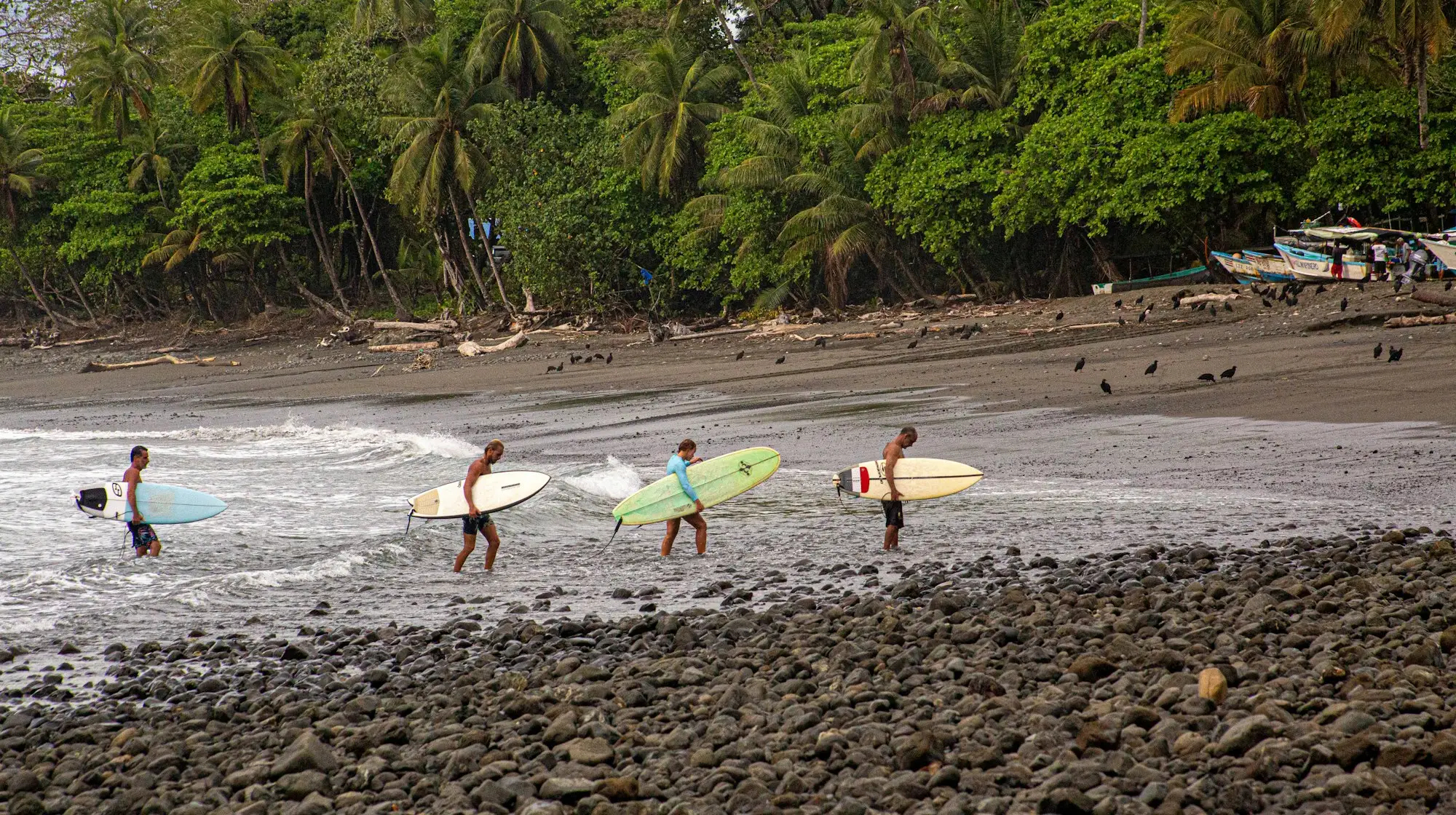
Tamarindo is the right base for you if you are a surfer at any level, since the beach break is gentle enough to learn on and there are more surf schools than you could try in a week. It also works if you want restaurants and nightlife, if you are visiting Costa Rica for the first time and value a short transfer from the airport, or if you are traveling with kids who want easy, walkable beach access.
Base somewhere else if a few things describe you better:
- You want quiet and a more authentic feel. Look at Nosara, Santa Teresa, or Sámara instead. They are farther down rough roads, which is exactly why they stay calmer.
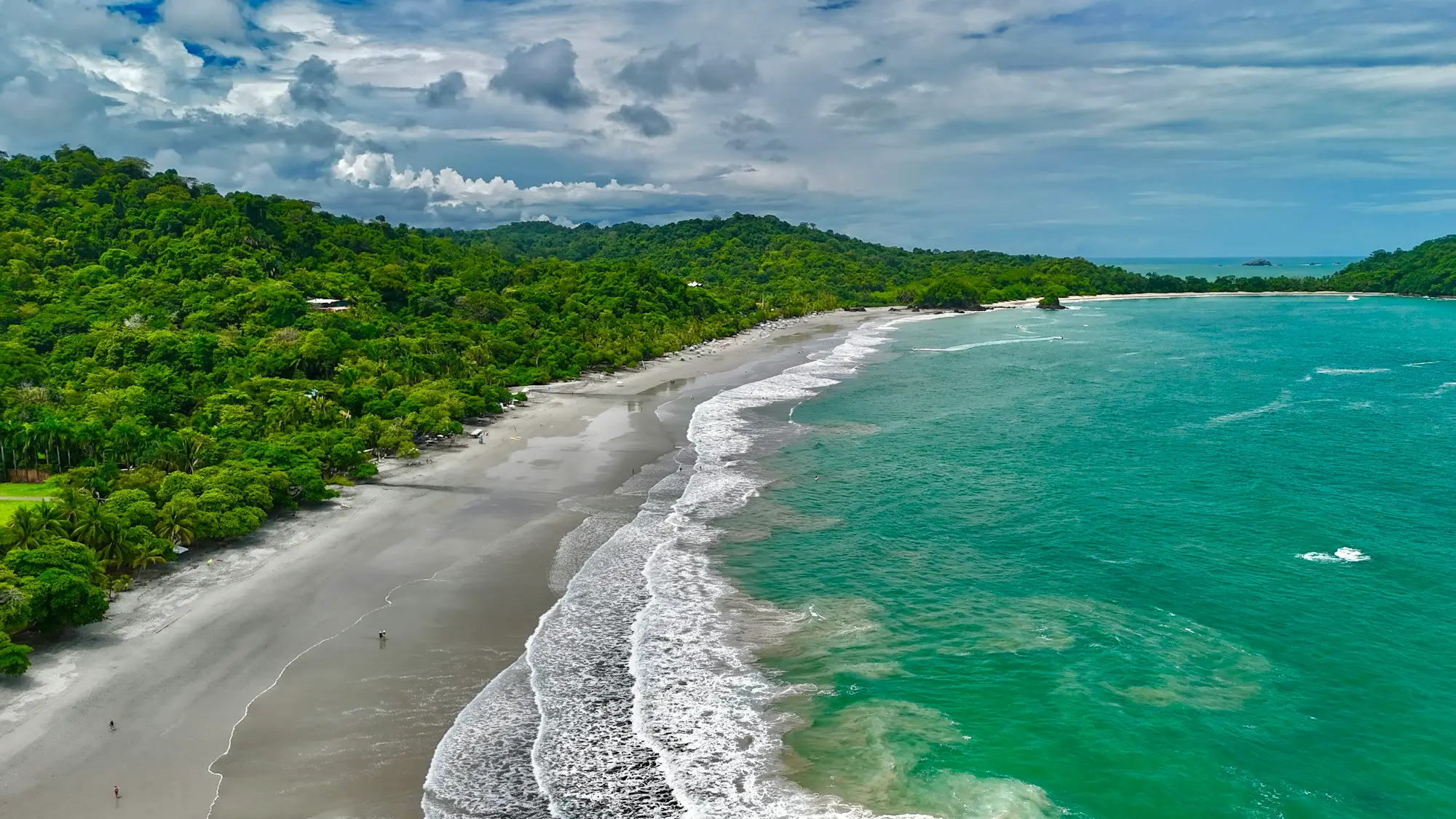
- You came mainly for wildlife and rainforest. Tamarindo cannot give you that. Manuel Antonio, Monteverde, and the Osa Peninsula can.
- You are watching every dollar. Tamarindo is one of the more expensive beach towns in the country, and smaller Nicoya towns will stretch your budget further.
No town is right for everyone, and Tamarindo is honest about who it is not for.
Liberia or San José? Fly Into Liberia
Tamarindo sits about 1.25 hours from Liberia’s Guanacaste Airport (LIR) on well-maintained paved road. From San José (SJO), the same trip runs 4.5 to 5.5 hours. For a trip centered on Tamarindo, fly into Liberia and save yourself most of a day behind the wheel.
One caveat. The Liberia route is easy and paved, which makes it the exception in Costa Rica, not the rule. Many mountain routes elsewhere take up to twice the time Google Maps predicts, so do not assume every drive on your itinerary will be this smooth.
Getting to Tamarindo: Rental Car vs. Shuttle vs. Bus
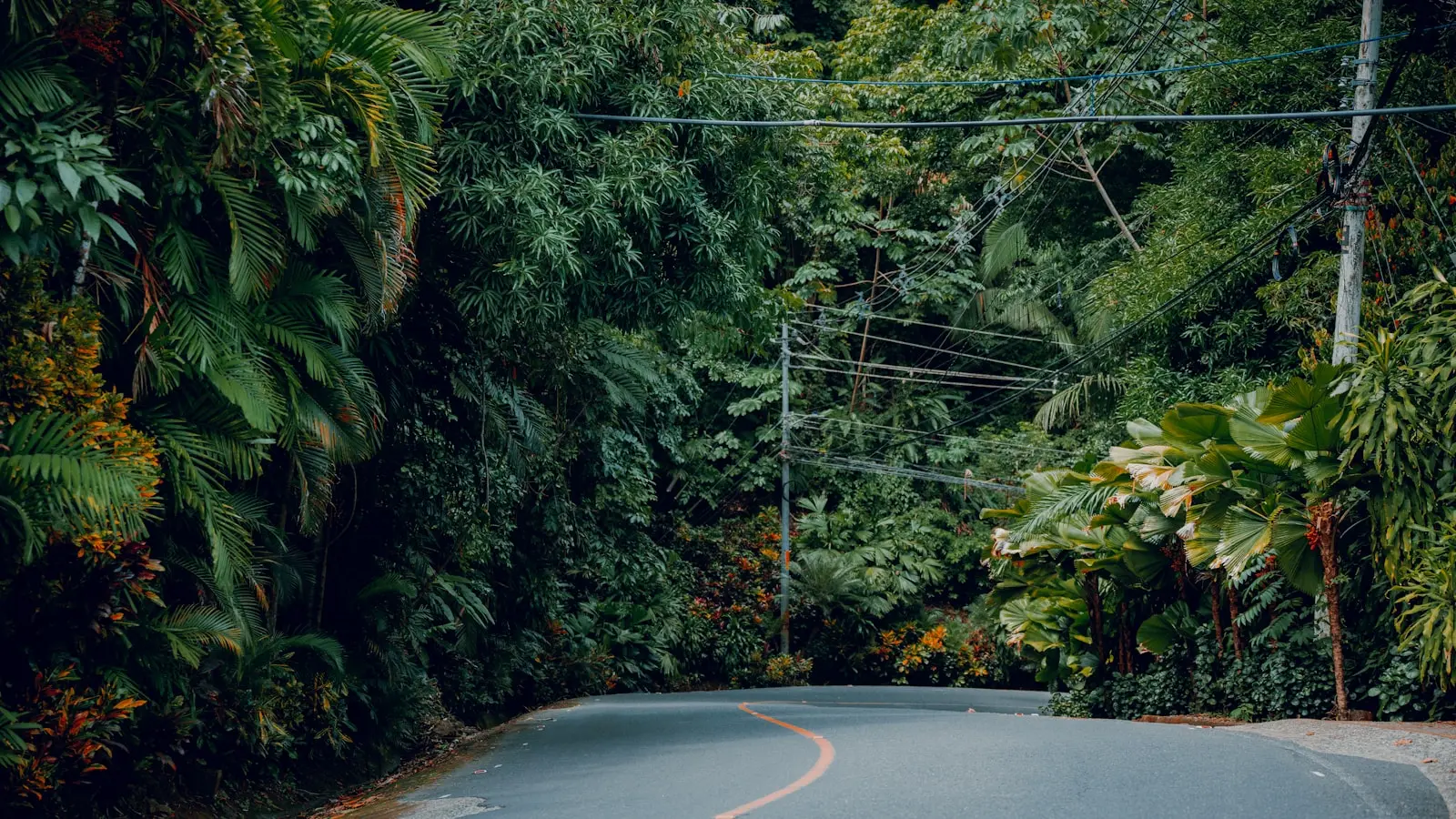
From Liberia you have four ways in, and the right one depends on how much you plan to explore once you arrive.
| Option | Time from LIR | Approx. cost | Best for |
|---|
| Private transfer | 1 to 1.5 hours | $80 to $140 per vehicle | Groups wanting door-to-door ease |
| Shared shuttle | 1.5 to 2 hours | About $30 per person | Comfort without renting a car |
| Rental car | About 1 to 1.5 hours | $50 to $90 per day | Exploring Guanacaste on your own schedule |
| Public bus | About 2 to 2.5 hours | $5 to $10 per person | The lowest possible cost |
If you rent, budget for one cost that aggregator sites hide. Costa Rica requires every driver to carry mandatory third-party liability insurance, called the Tarifa Básica or TPL. It runs about $15 per day, you cannot decline it, and your credit card or travel insurance does not replace it.
The base rate you see on Kayak is not the price you pay at the counter, so budget the TPL line in before you compare quotes.
Do you need a 4x4? For town and the paved beaches, no. A regular sedan is fine. An SUV only earns its cost if you plan to reach outlying beaches like Playa Avellanas, where the access roads turn to dirt.
When to Visit Tamarindo, and the March to April Brown-Season Surprise
Tamarindo has two clear seasons, and the difference is mostly rain.
The dry, high season runs December through April. Expect hot, sunny days in the mid-80s to low 90s Fahrenheit, little rain, and the biggest crowds from late December through March. The green, rainy season runs June through November, with September and October the wettest. Rain usually arrives in the afternoon, so many mornings stay clear, prices drop, and the surf gets bigger. May and November are the shoulder months.
| Season | Months | Weather | Crowds |
|---|
| Dry / high | Dec to Apr | Hot, sunny, little rain | High, peak Dec to Mar |
| Green / rainy | Jun to Nov | Warm, afternoon showers | Lower, quietest Sep to Oct |
| Shoulder | May, Nov | Mixed, less predictable | Moderate |
One thing surprises people who picture lush jungle. By late dry season, in March and April, Tamarindo turns brown and arid, and brush fires are common. This is tropical dry forest, and that brown landscape is normal, not a bad year.
One planning note if your trip goes beyond Guanacaste. Tamarindo sits on the Pacific coast and follows the December to April dry pattern above. The Caribbean coast runs on the opposite schedule, with its driest stretches in February to March and again in September to October. Do not apply Tamarindo’s timing to a Caribbean leg like Puerto Viejo, or you will pack for the wrong weather.
What Tamarindo Costs
Set expectations before you book. Tamarindo is one of the more expensive beach towns in Costa Rica, and travelers regularly report sticker shock. Treat the figures below as approximate ranges and confirm current rates when you book, since they shift with season and demand.
Lodging spans a wide range:
| Tier | Nightly range |
|---|
| Budget rooms | $20 to $180 |
| Mid-range hotels | $150 to $300 |
| Upscale boutique / villas | $300 to $900+ |
Food follows the same tourist premium you find across the country. The same casado costs very different amounts depending on where you order it:
| Where | Casado price |
|---|
| Local soda | $6 to $8 |
| Tourist-facing restaurant | $18 to $22 |
Is Tamarindo Safe? Real Risks vs. the Overblown Ones
Costa Rica sits at a Level 2 U.S. State Department advisory, updated in December 2024, meaning exercise increased caution. Petty crime is common across the country, and Tamarindo is no exception, but the day-to-day risks are specific and manageable.
The real ones are property crimes. Car break-ins happen, so leave nothing visible in a parked rental. Beach theft happens, so do not leave bags unattended while you swim. Two natural hazards matter too. Playa Tamarindo has riptides, so respect flag warnings and lifeguard advice, and the river-mouth estuary has crocodiles, so treat it as a boat-tour feature, not a swimming spot.
The overblown fear is violent crime against tourists in the main beach zone, which is not the ordinary risk here. Take the same precautions you would in any busy beach town after dark, keep valuables out of sight, and you remove most of the exposure.
What to Do in Tamarindo, and the Dry-Forest, Not-Rainforest, Reality
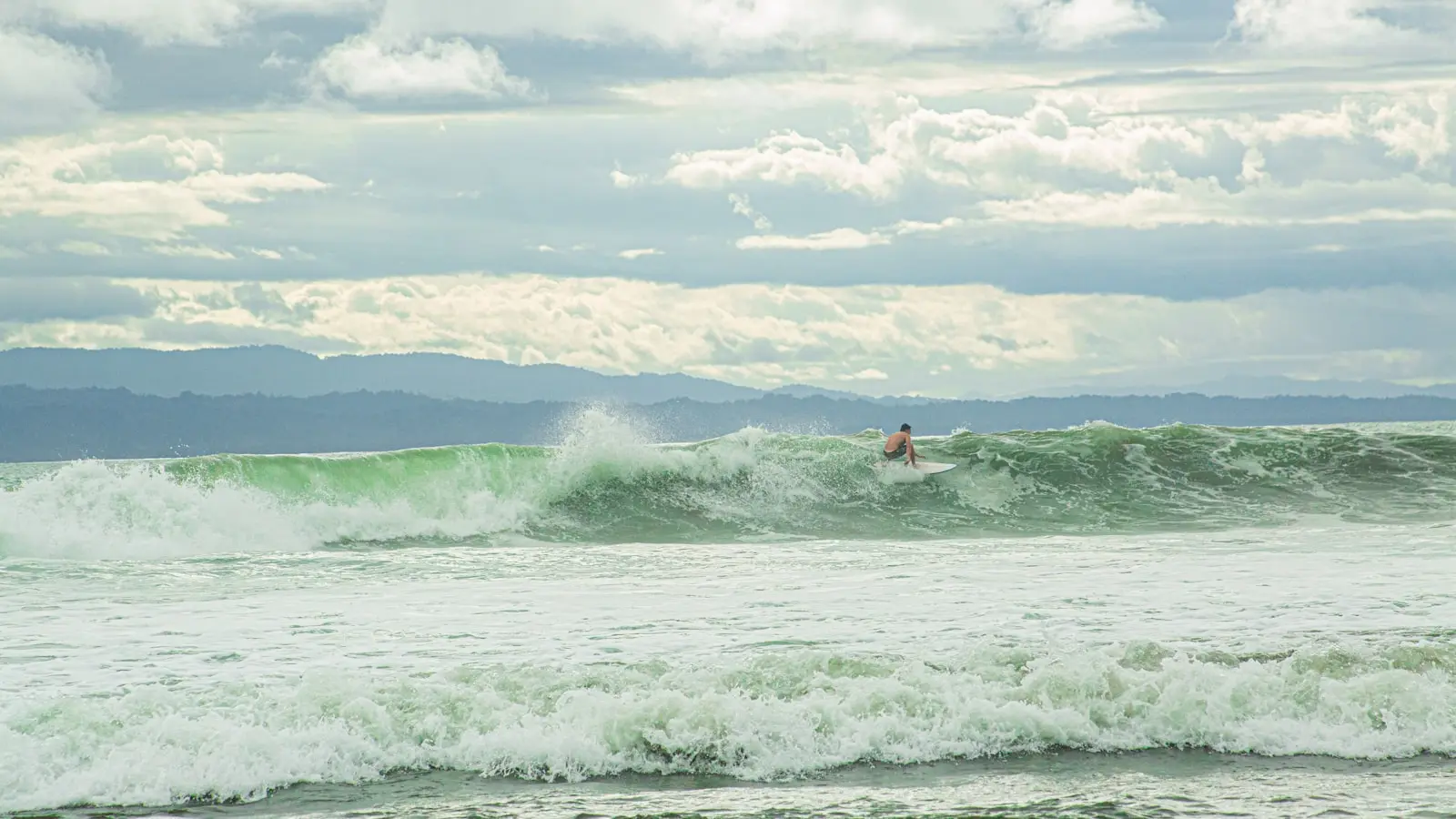
Tamarindo packs a lot into a small footprint. Surf lessons top the list, since the beach break is one of the friendlier places in the country to learn. Beyond the board, most visitors add a sunset catamaran sail, an estuary boat or kayak tour through the mangroves, a snorkeling day trip out to the Catalinas islands, and sportfishing, which is strongest offshore from June through October.
If your timing lines up, Playa Grande, just north across the estuary in Las Baulas National Marine Park, is a leatherback turtle nesting site. Nesting is seasonal and tightly managed, so confirm current dates and tour rules before you count on it.
Reset one expectation. This is tropical dry forest, not rainforest, so temper any hope of dense jungle and constant wildlife. You will find howler monkeys and shorebirds, but the sloths-and-toucans experience belongs to Manuel Antonio, Monteverde, or the Osa Peninsula.
On where to sleep, the trade-off is simple. Staying in central Tamarindo puts everything within walking distance but keeps you in the busier, louder core. Playa Langosta, a short drive south, is quieter and more residential while still close to town.
How Many Nights Tamarindo Is Worth
For most itineraries, two to three nights is the right amount. That gives you a surf lesson, a catamaran or estuary tour, and a couple of unhurried beach days before you move on. It also makes Tamarindo a natural first or last stop, since it is close to the Liberia airport.
Stay longer only if surfing or nightlife is the point of your trip. If it is not, spend those nights on a second region and let Tamarindo be the easy, convenient bookend it does best.
Frequently Asked Questions
Is Tamarindo safe?
Yes, with normal precautions. The real risks are petty theft, riptides, and estuary crocodiles, not violent crime against tourists in the beach zone. Leave nothing visible in your car, keep bags with you on the beach, and respect the flag warnings in the water.
How far is Tamarindo from Liberia airport?
About 1.25 hours by car on paved road, roughly 1 to 1.5 hours depending on traffic and your transport. From San José it is a much longer 4.5 to 5.5 hours.
Do you need a 4x4 in Tamarindo?
No, not for town or the paved beaches, where a sedan is fine. An SUV only helps if you plan to reach dirt-road beaches like Playa Avellanas.
Is Tamarindo good for families?
Yes, if your family wants easy, walkable beach access, gentle surf for lessons, and plenty of restaurants. Families seeking quiet or wildlife will do better in Nosara or near a national park.
Is Tamarindo too touristy?
It is the most developed beach town in Guanacaste, so it is touristy by design. That reads as convenient to some travelers and overbuilt to others. If you want an authentic village feel, base in Nosara, Santa Teresa, or Sámara instead.
When is the best time to visit Tamarindo?
December through April for reliable sun and beach weather, though it is also the most crowded and driest, turning brown by March. May through August offers a good balance of greener scenery, fewer crowds, and stronger surf.