Search “playas del coco costa rica” and you get two versions of the same town. One calls it a lively, walkable beach town with the best diving in Guanacaste and prices that stretch a budget. The other warns that the sand is dark, the water is murkier than the brochures, and the nightlife gets loud.
Both are right. Playas del Coco, or “El Coco” to locals, is a working beach town first and a postcard second. That is exactly why some travelers love it and others wish they had booked elsewhere.
Here is the call. Coco is the right base if you want a real town with restaurants, dive shops, and an easy 30-minute hop from Liberia airport, on a budget that goes further than the resort coast. Skip it if you came for white sand, calm luxury, or a quiet week away from crowds.
Is Playas del Coco Worth It, and Who Should Skip It
Coco suits travelers who want convenience and local life over a manicured resort. It is one of the most developed towns in northwest Guanacaste, with a walkable main strip, a fishing pier, dive operators, sodas, and a nightlife scene that most nearby beaches do not have. It is also the launch point for the region’s best diving.
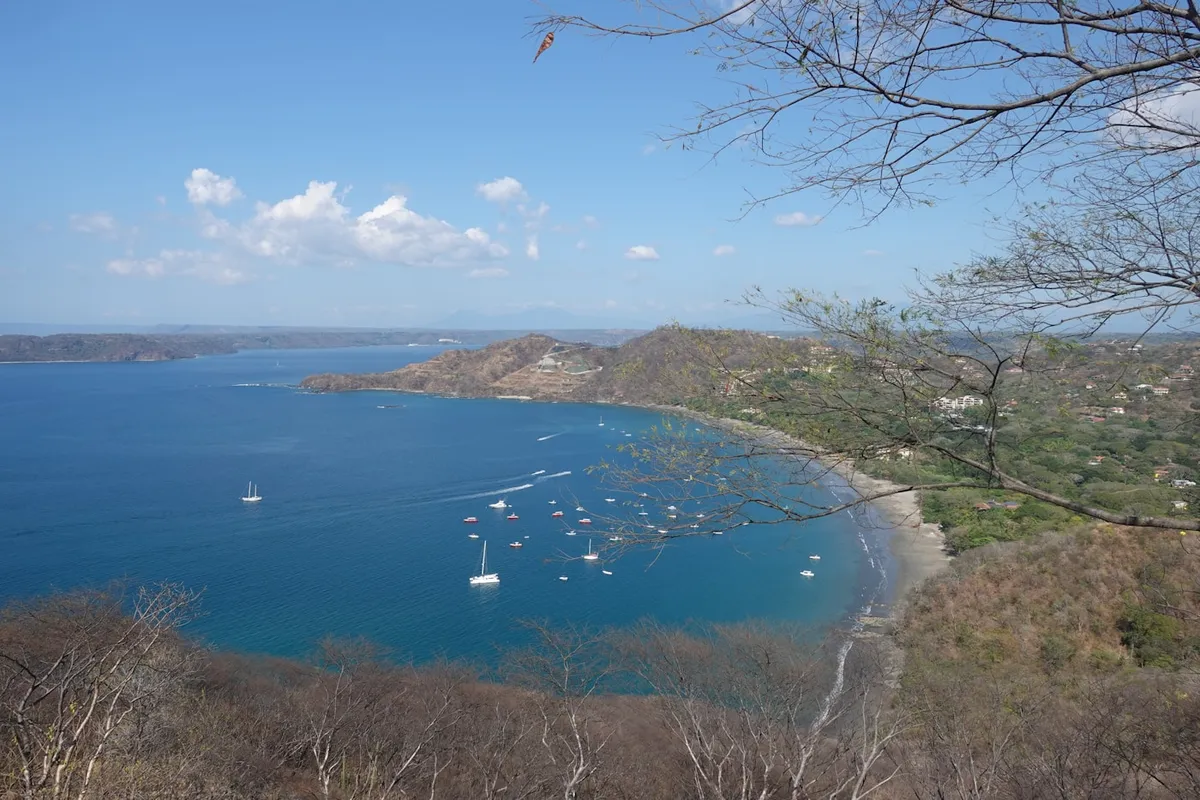
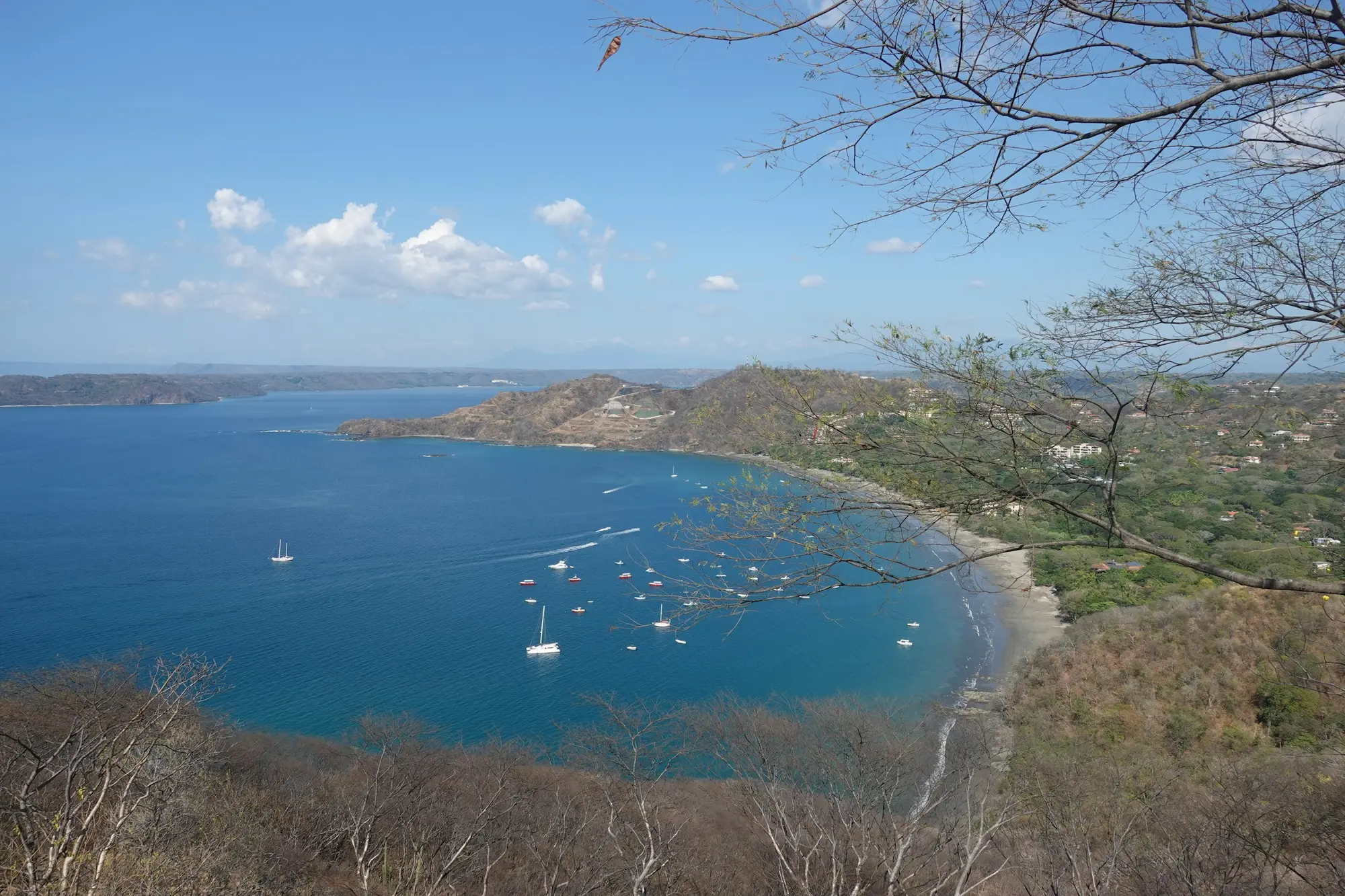
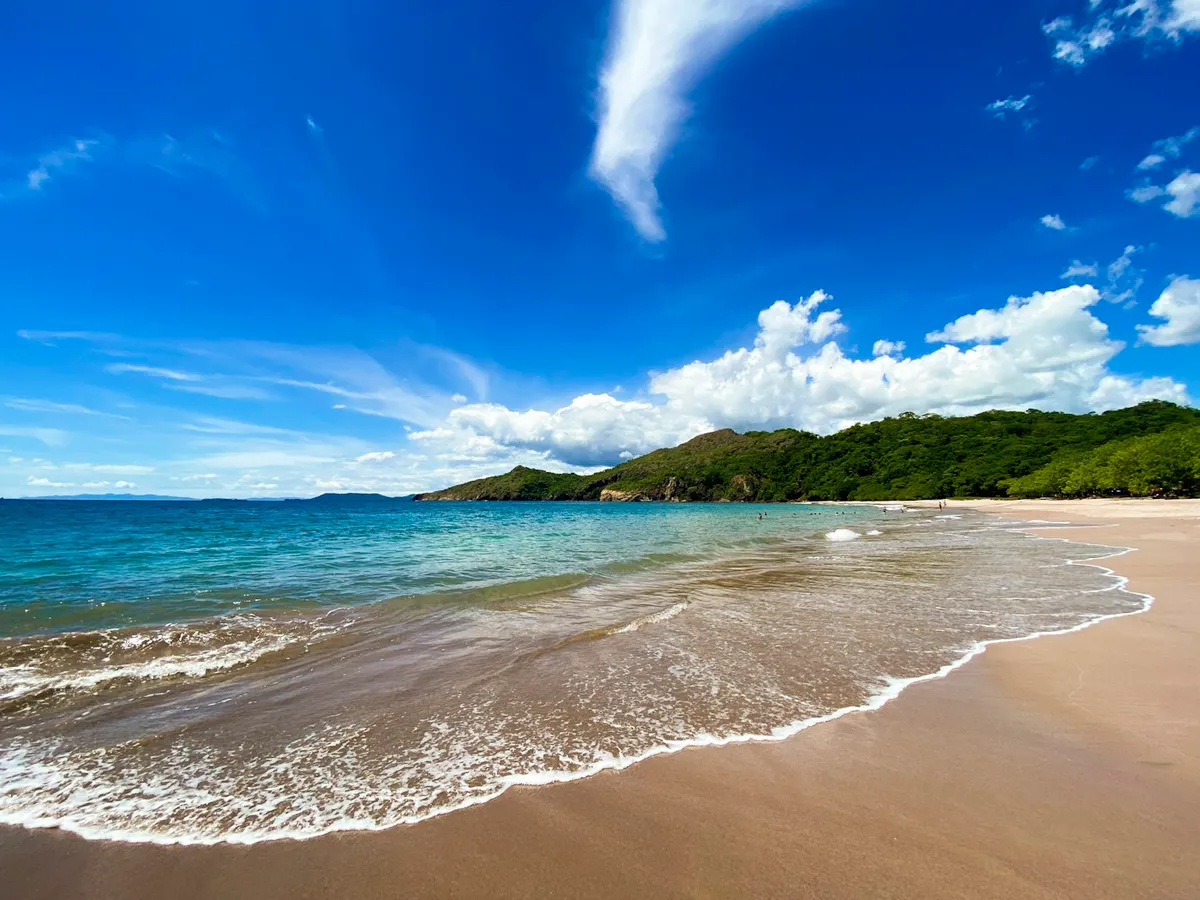
The honest trade-off is the beach itself. The sand is dark tan to grey volcanic, not the white sand people picture, and the water in the bay is calmer but less clear than the postcard beaches farther south. If you want a wider survey of the coast, our guide to Costa Rica beaches sorts the country’s beaches by swim versus surf and by coast.
Skip Coco, or base elsewhere, if any of these describe you:
- You came for white sand and clear turquoise water. Playa Conchal and the Papagayo bays deliver that far better.
- You want a quiet luxury week. The Papagayo resort zone is built for exactly that, and Coco is not.
- You want to be away from crowds and noise. Coco’s strip is busy and its bars run late.
Getting to Playas del Coco: The Easiest Beach Run from Liberia
This is Coco’s biggest advantage, so start here. It sits about 27 kilometers, roughly 17 miles, from Liberia’s Daniel Oduber Quirós International Airport (LIR), and the drive is about 30 minutes on paved road. That makes it one of the fastest airport-to-sand runs in the whole country.
| Option | Approx. time from LIR | Approx. cost | Best for |
|---|
| Rental car | About 30 minutes | $40 to $80 per day | Pairing Coco with nearby beaches |
| Private transfer or taxi | About 30 minutes | $55 to $70 per vehicle | Door-to-door without driving |
| Shared shuttle | About 40 minutes | $20 to $30 per person | Solo travelers on a budget |
| Public bus | About 40 minutes | A few dollars | The lowest cost |
Because the ride is so short, a private transfer is often barely more than a shared shuttle once you split it across a couple, so price both before you book. If you would rather drive yourself and explore the coast, our car rental in Liberia guide covers what the airport pickup actually costs and the fees the booking sites hide.
One of those fees is not optional. Costa Rica requires every driver to carry mandatory third-party liability insurance, the Tarifa Básica or TPL. It runs about $15 per day, you cannot decline it, and your credit card or travel insurance does not replace it.
Things to Do in Playas del Coco: Diving, Snorkeling, and Catamaran Days
Diving is the headline. Coco is the main jumping-off point for the Catalina Islands and, on longer trips, the Bat Islands, where divers see white-tip reef sharks, manta and eagle rays, sea turtles, and big schools of fish. Operators run trips for certified divers and discovery dives for beginners, so you do not need a certification to get in the water.
If you would rather stay on the surface, the same waters are a snorkeling and catamaran playground. Half-day and sunset catamaran tours out of the gulf typically bundle snorkeling stops, lunch, and an open bar, and boat tours reach quiet coves you cannot drive to. Sportfishing is strong too, with inshore and offshore charters chasing mahi mahi, tuna, and sailfish.
A few grounded notes. Water clarity for diving is best in the dry season, December to April, when cooler currents also bring in more of the big rays. The bay beach in town is fine for a swim and a paddle, but Coco is a base for getting on the water, not a beach you travel across the country for.
Nearby Beaches: Playa Hermosa, Ocotal, and the Papagayo Bays
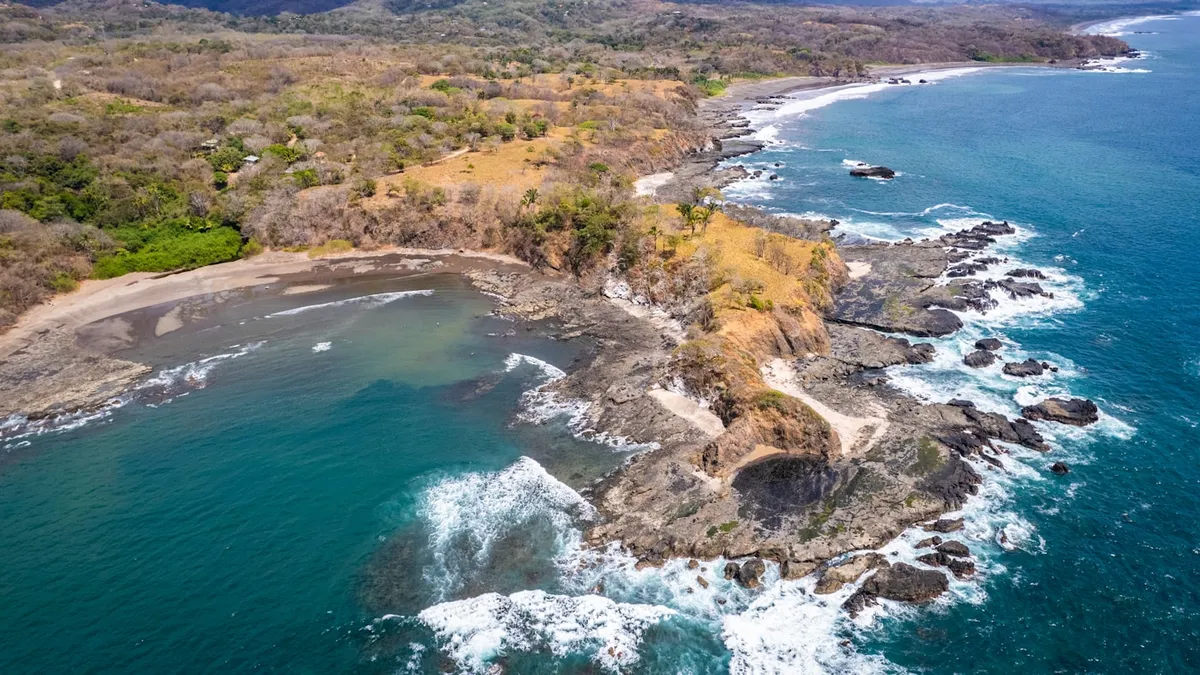
Part of Coco’s value is what sits a short drive away. You can base in the walkable town and beach-hop the quieter bays by car, bike, or golf cart.
| Beach | Distance from Coco | Why go |
|---|
| Playa Hermosa | About 10 minutes | Calmer, cleaner water and a quieter, resort-leaning bay |
| Playa Ocotal | About 10 minutes | Small dark-sand cove, good snorkeling off the rocks |
| Playa Panamá | About 15 minutes | Very calm, shallow water, good for families |
| Papagayo bays | 15 to 30 minutes | The sheltered gulf and the gated luxury peninsula |
If a calm-water resort week is really what you want, read our Papagayo guide first, and for the wider region’s hotel tiers and what they cost, see our breakdown of resorts in Guanacaste.
Where to Stay in Playas del Coco
Coco covers more of the budget range than most Guanacaste towns, which is a big reason it draws independent travelers rather than only package tourists.
| Lodging | Per night | What you get |
|---|
| Hostel or simple cabina | $20 to $45 | Budget beds a short walk from the strip |
| Mid-range hotel | $70 to $150 | Pool, breakfast, close to town |
| Condo or vacation rental | $120 to $300 | Space and a kitchen, some in gated communities like Pacifico |
| Nearby luxury resort | $250 and up | Papagayo and Hermosa resorts, a short drive out |
Staying in town keeps you walking distance from restaurants, dive shops, and bars. Staying in a gated development or a nearby bay trades that walkability for calm and a pool. Match the choice to whether you want to walk to dinner or drive to it.
Best Time to Visit Playas del Coco
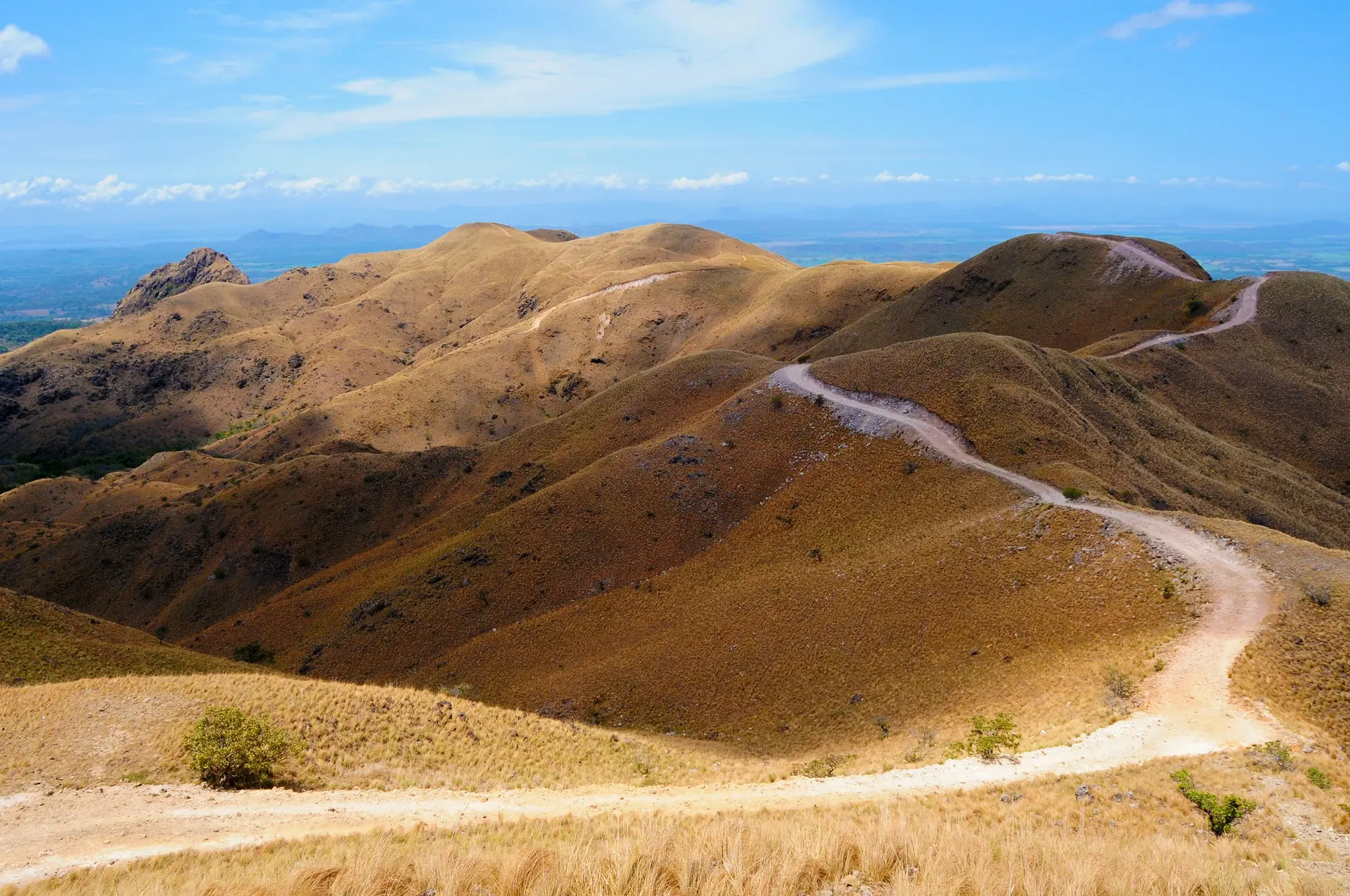
Coco sits in Guanacaste, the driest corner of Costa Rica, so it follows the Pacific calendar. The dry season runs roughly December through April, with reliable sun, the biggest crowds, and the clearest water for diving. It is also genuinely hot here, often in the 90s Fahrenheit and hotter in March and April, so plan water time and shade.
The green season, May through November, brings afternoon showers, greener hills, lower prices, and fewer people, with the heaviest rain around September and October. One useful quirk: the first few weeks of July often deliver a run of sunny days, a local “mini summer” in the middle of the wet season.
If your trip also touches the Caribbean coast, do not assume the same timing. That coast runs nearly the opposite schedule, driest around February to March and again September to October, as our Puerto Viejo guide explains.
Is Playas del Coco Safe? What to Actually Watch
Violent crime here is rare, and many travelers report never feeling unsafe. The real risk, as almost everywhere on the Guanacaste coast, is petty theft: bag snatching, pickpocketing around the busy nightlife strip, and break-ins to rental cars.
Two habits handle most of it. Take the absolute minimum to the beach, and never leave a bag unattended while you swim, since opportunists watch for exactly that. And never leave anything visible in a parked car, lock it, and use official lots. The “parking guards” in vests around town are not official, and any tip is voluntary.
Frequently Asked Questions
Is Playas del Coco worth visiting?
Yes, if you want a real, walkable Guanacaste town 30 minutes from Liberia with the best diving on the coast and prices that stretch a budget. Skip it if you came for white sand, calm luxury, or a quiet week, and choose Playa Conchal or the Papagayo resorts instead.
How far is Playas del Coco from Liberia airport?
About 27 kilometers, roughly 17 miles, or a 30-minute drive on paved road. It is one of the fastest airport-to-beach runs in the country, which is a big part of Coco’s appeal.
Is the beach at Playas del Coco nice?
The bay is calm and swimmable, but the sand is dark tan to grey volcanic, not white, and the water is less clear than the postcard beaches. Coco is best treated as a lively base for getting on the water rather than a beach you cross the country for.
What is Playas del Coco known for?
Diving. It is the main launch point for the Catalina Islands and Bat Islands, plus snorkeling and catamaran tours, sportfishing, a walkable restaurant strip, and the liveliest nightlife on this stretch of Guanacaste.
Is Playas del Coco safe for tourists?
Generally yes, with violent crime rare. Watch for petty theft around the nightlife strip, on the beach, and from rental cars. Carry little to the beach and never leave valuables in a parked car.
When is the best time to visit Playas del Coco?
December through April for reliable sun and the clearest diving water, though it is hot and busy. May through November is greener, cheaper, and quieter, with a sunny stretch often arriving in early July.