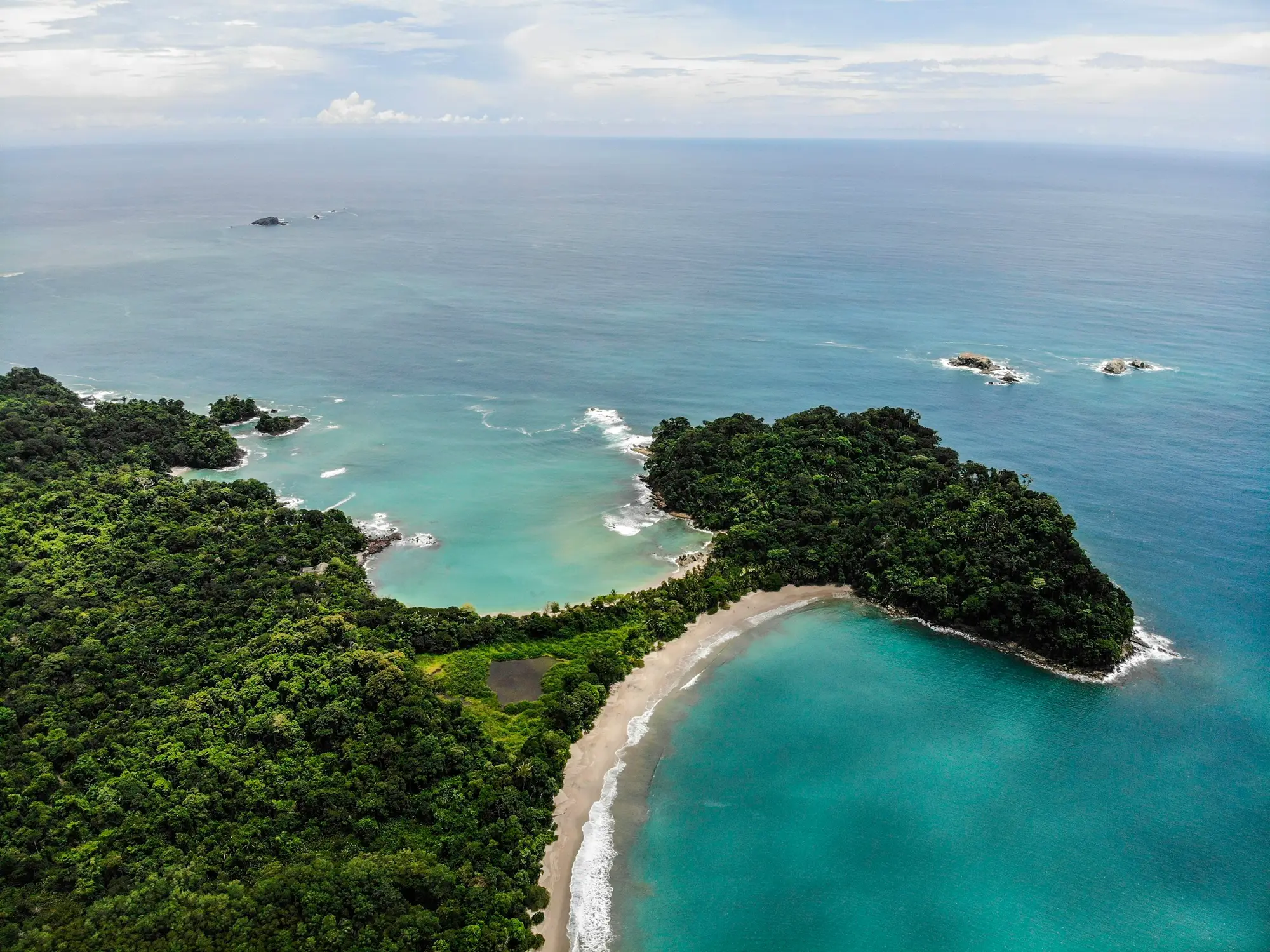
Search “manuel antonio national park” and you get two stories. One calls it the easiest place in Costa Rica to see a sloth and swim at a calm beach in the same morning. The other says it is crowded, overhyped, and full of tour touts.
Both are describing the same park. The gap between them comes down to three choices you make before you arrive: whether to hire a guide, when to show up, and what you expect to see.
Here is the call. Manuel Antonio is worth a half-day if you buy tickets online in advance, arrive at opening, and treat it as an easy wildlife-and-beach walk rather than a wilderness expedition. Skip it if you want solitude, a hard hike, or a guaranteed sloth sighting.
Is Manuel Antonio Worth It, and Who Should Skip It
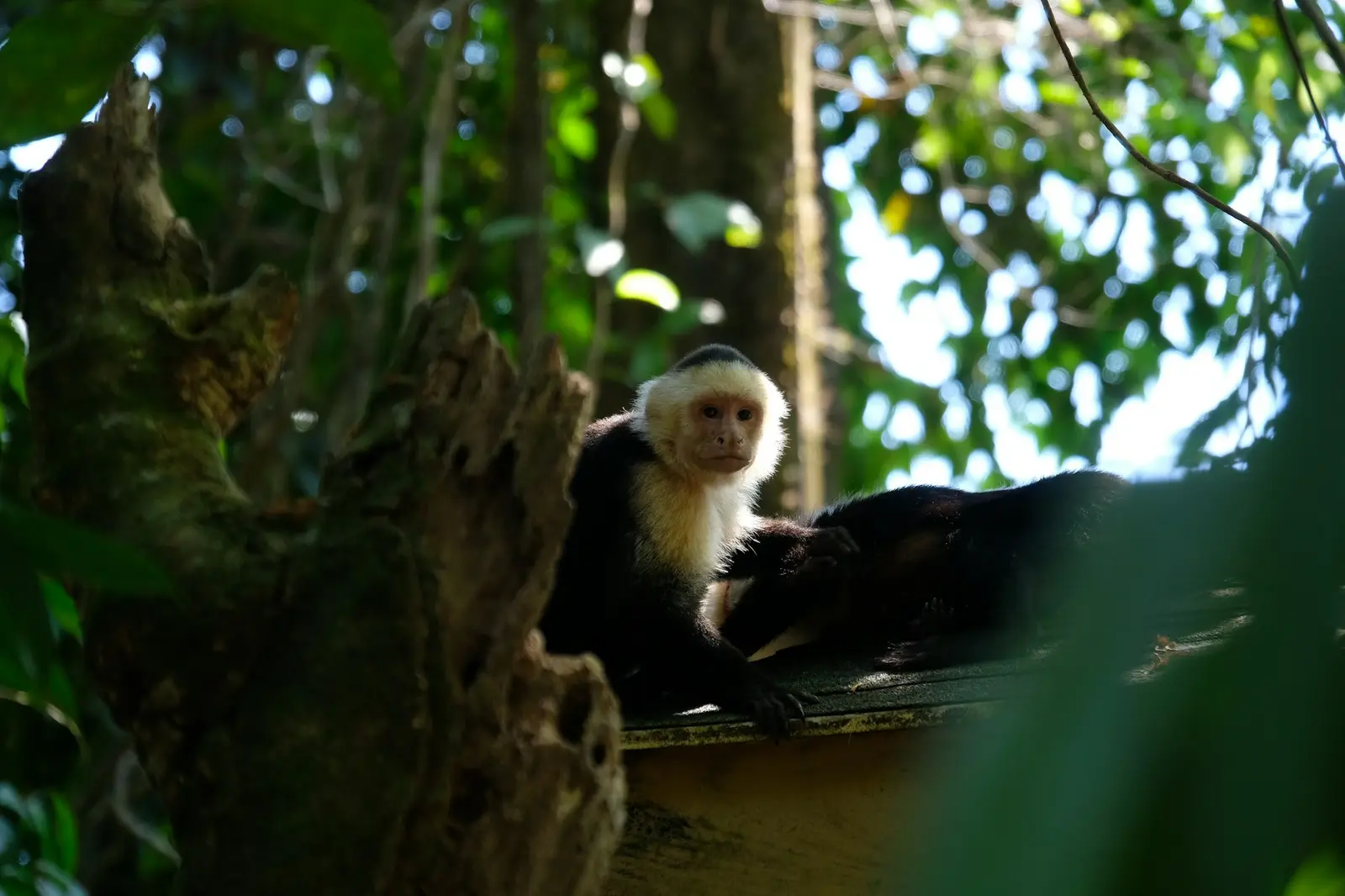
Manuel Antonio suits first-time visitors who want a lot in a small, flat, well-marked package. In one compact park on the central Pacific coast you get short trails, reliable monkey sightings, and Playa Manuel Antonio, one of the calmest swim beaches in the country.
It became the most visited national park in Costa Rica after Poás Volcano closed indefinitely, so popularity is the trade-off. Trails can feel like a slow-moving line by mid-morning in dry season.
Skip it, or keep it short, if any of these describe you:
- You came for solitude and raw wilderness, which Corcovado on the Osa Peninsula delivers far better.
- You want a demanding hike, when the trails here are easy and brief.
- You expect guaranteed sloths and toucans, because no sighting is promised.
Do You Need a Guide, or Can You Walk the Trails Yourself
This is the decision travelers argue about most, so here is the honest version. A certified guide carries a telescope and knows where the sloths sleep, and visitors who hire one consistently see more than those who walk in alone.
A guided tour runs about $60 to $70 per person in most packages, and that usually includes your park ticket and hotel transport. Treat that figure as approximate and confirm what is bundled before you book.
You can walk it yourself without a problem. The main trails are flat, short, and well signed. If your goal is the beach plus the near-certain capuchin and howler monkeys, a guide is optional.
Here is the rule. Hire a guide if seeing sloths and camouflaged wildlife is the point of your visit. Skip the guide if you are mainly there for the beach and the easy monkeys, and put the money toward something else.
Tickets, Hours, and the Tuesday Closure
Tickets are the part that trips people up. Since 2021, SINAC, the national parks service, is the only legal seller, and it sells online only. You cannot buy at the gate.
Buy through the SINAC site before you go, and keep the barcoded confirmation to show at the entrance. The park caps daily entries at roughly 3,000 people, so book several days ahead for Christmas, New Year, and Easter week.
| Detail | What to expect |
|---|
| Adult entrance | About $18, ages 12 and up (confirm current rate on SINAC) |
| Children | Reduced rate; youngest children free |
| Open days | Wednesday to Monday |
| Hours | About 7 a.m. to mid-afternoon (roughly 3 to 4 p.m.) |
| Closed | Tuesdays |
| Daily cap | Around 3,000 tickets |
Two on-the-ground warnings. The Punta Catedral trail has been temporarily closed, so confirm which trails are open before you plan a specific route. Near the entrance, people dressed like rangers sometimes sell fake tickets, overpriced parking, or unofficial guiding, so buy only from SINAC and use official parking lots, which run about $10 for the day.
Getting to Manuel Antonio: Drive, Shuttle, or Bus from San Jose
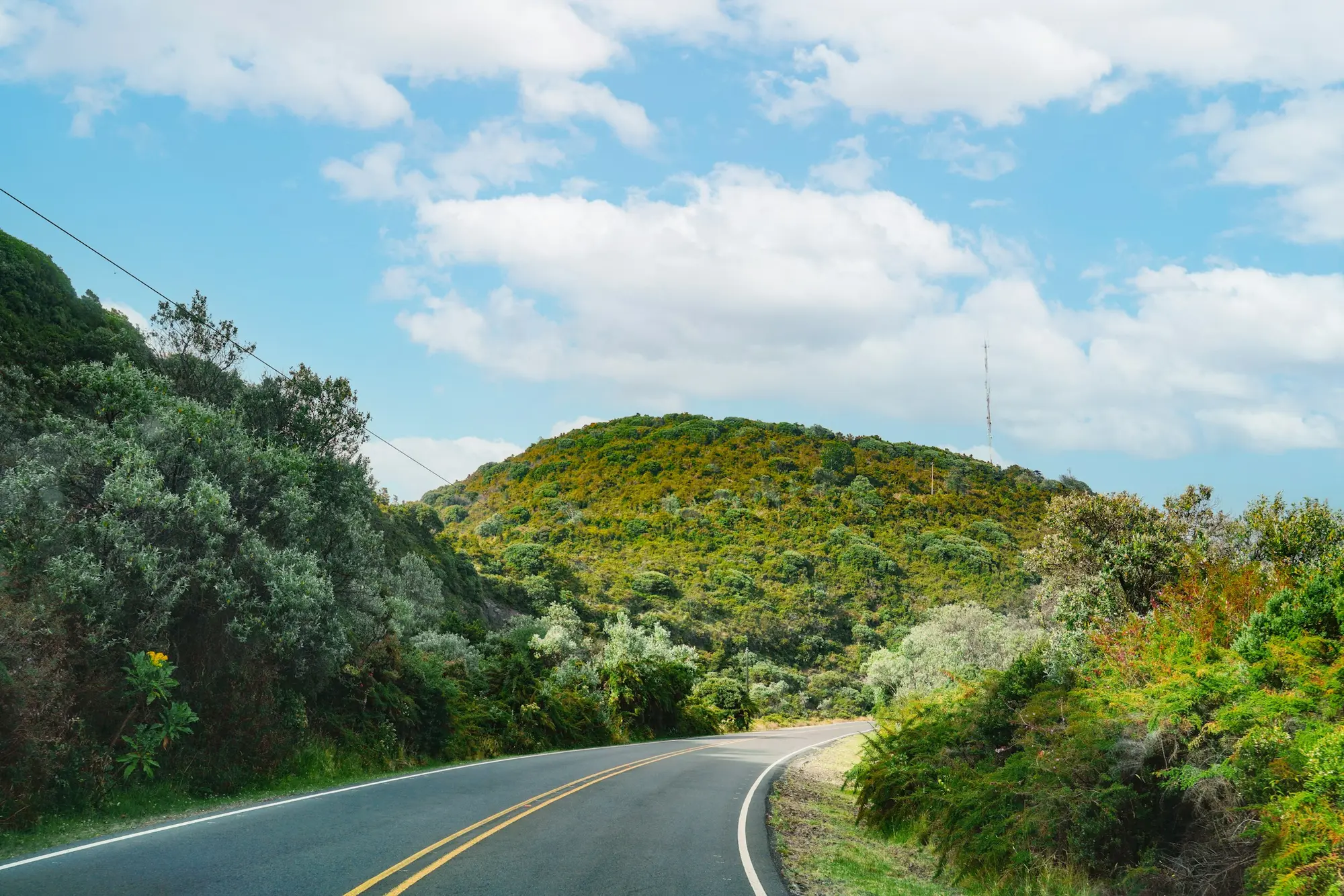
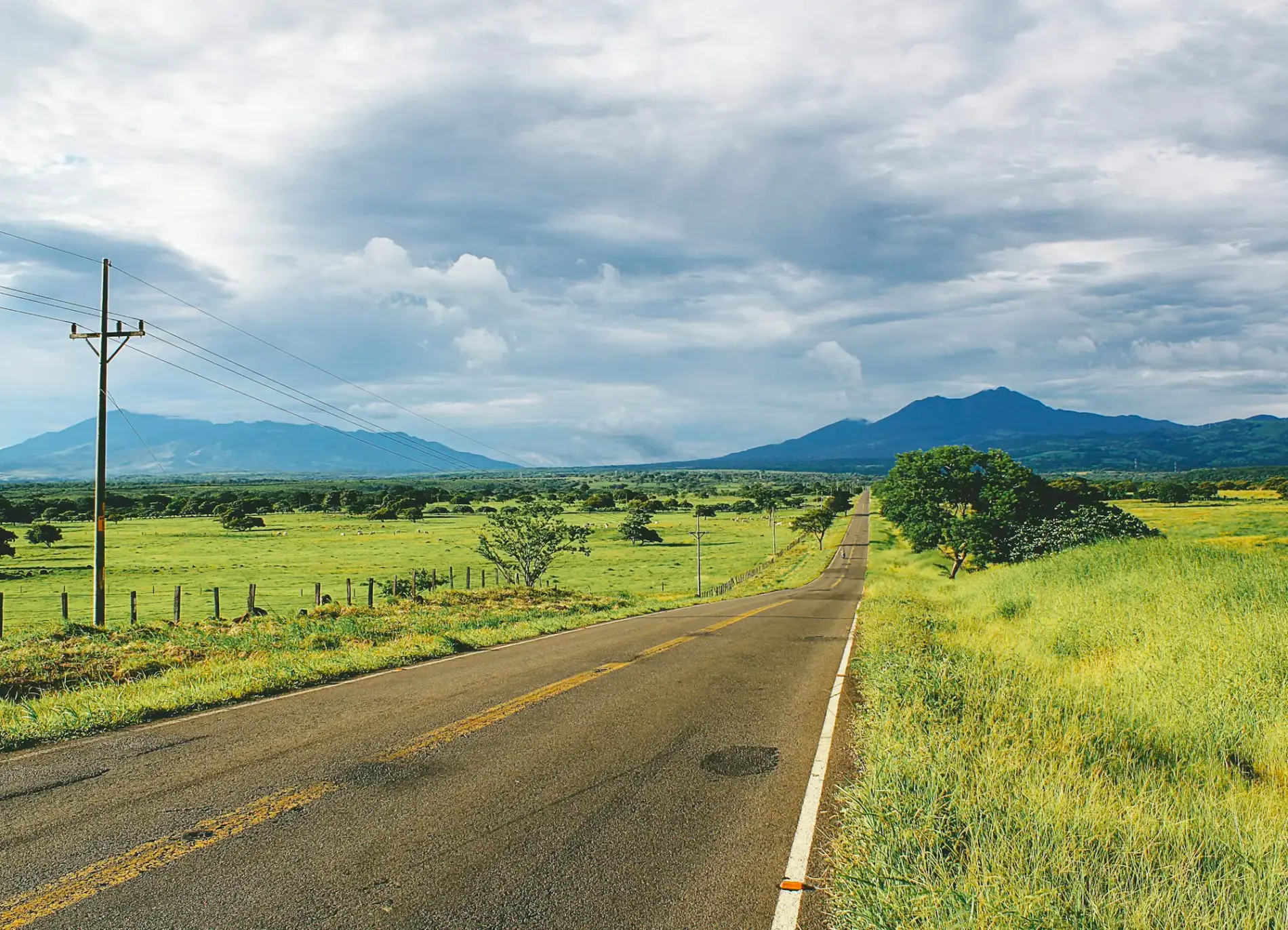
Most trips start in San Jose. The drive to Quepos and Manuel Antonio takes about 3 to 3.5 hours on mostly paved road, which makes it one of the more straightforward routes in the country. Quepos also has a small domestic airstrip if you would rather fly the leg.
| Option | Approx. time from San Jose | Approx. cost | Best for |
|---|
| Rental car | About 3 to 3.5 hours | $50 to $90 per day | Pairing the park with other regions |
| Shared shuttle | About 3.5 to 4 hours | $50 to $60 per person | Door-to-door without driving |
| Public bus | About 3.5 to 4.5 hours | $10 to $12 per person | The lowest cost |
| Private transfer | About 3 hours | $160 to $300 per vehicle | Groups wanting direct service |
If you rent a car, budget one cost the booking sites hide. Costa Rica requires every driver to carry mandatory third-party liability insurance, the Tarifa Básica or TPL. It runs about $15 per day, you cannot decline it, and your credit card or travel insurance does not replace it.
The park entrance sits a short walk past the beach at the end of the Manuel Antonio road, so most drivers park once and walk in.
What You Will See, and Whether You Can Swim
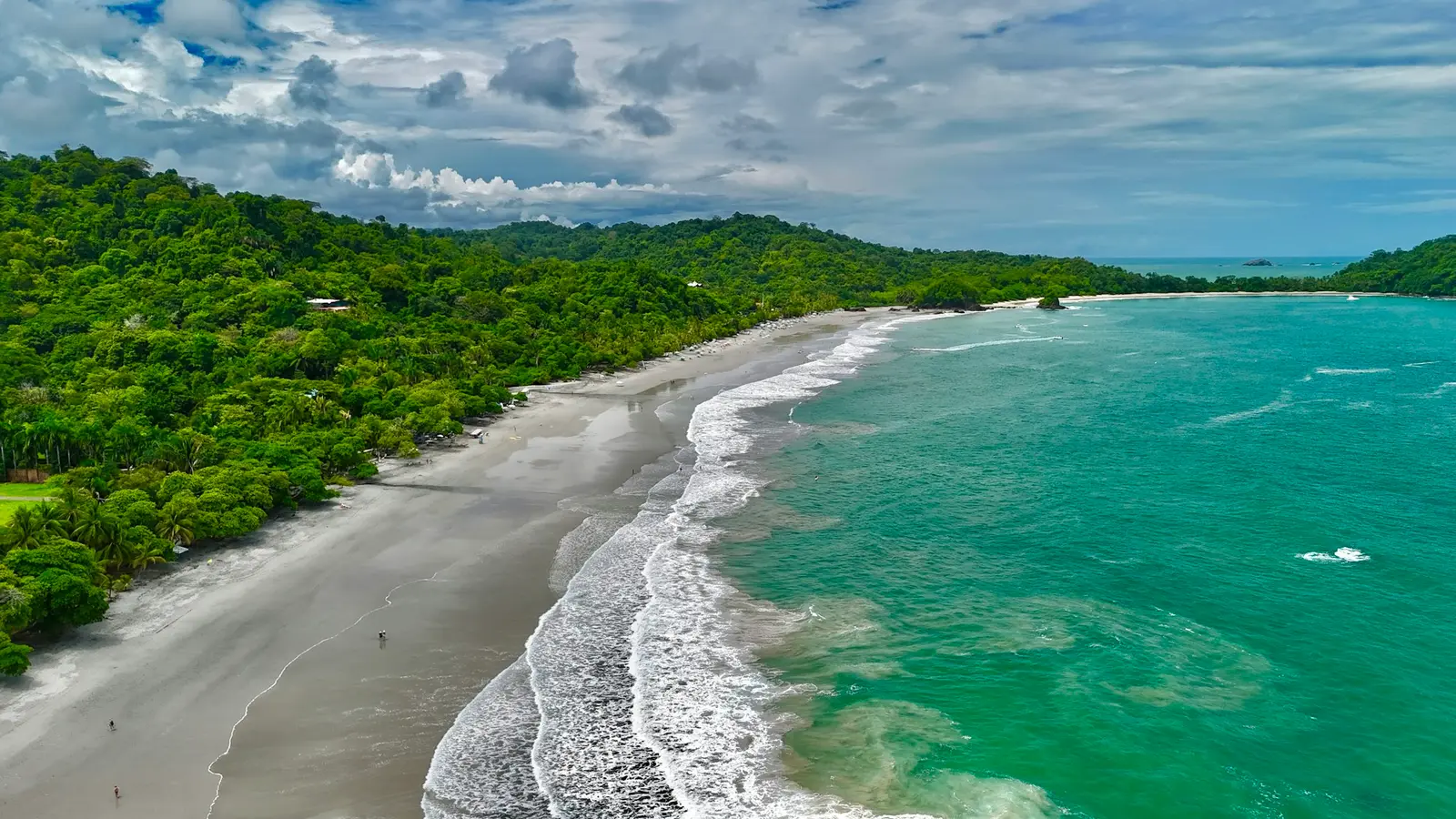
Set expectations before you go. On a good morning you might see three-toed sloths, white-faced capuchins, howler monkeys, coatis, and the endangered Central American squirrel monkey, but none of it is guaranteed.
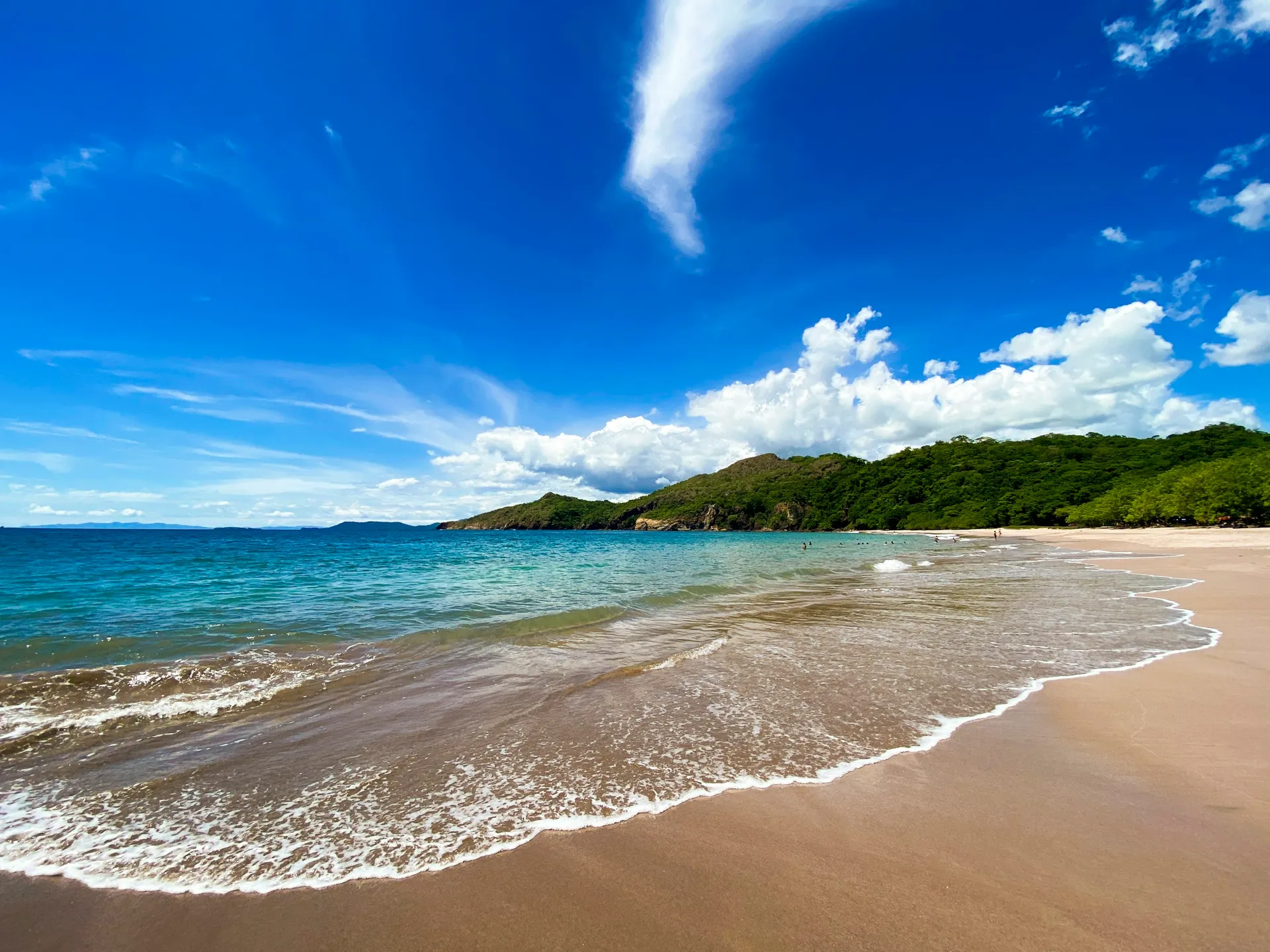
Yes, you can swim. Playa Manuel Antonio, inside the park, is one of the calmer and more protected swim beaches on the Pacific coast, which is why families use it. If you want a wider survey of the country’s swim-versus-surf beaches, our guide to Costa Rica beaches breaks it down by coast.
One real hazard is not the wildlife but your own snacks. Capuchins and raccoons raid unattended bags on the beach, so keep food sealed and your pack zipped and close.
When to Visit, and Why the Caribbean Coast Runs the Opposite Season
Manuel Antonio sits on the Pacific coast, so it follows the Pacific calendar. The dry season runs roughly December through April, with the most reliable sun and the biggest crowds. The green season runs May through November, with September and October the wettest and quietest, and occasionally the only time you can still get a ticket at the gate.
Here is the exception that catches people out. If your trip also includes the Caribbean coast around Puerto Viejo, do not assume the same timing. The Caribbean runs nearly the opposite schedule, with its driest stretches in February and March and again in September and October.
For a Pacific beach base to pair with the park, the Guanacaste coast runs on this same December-to-April dry pattern. Our Tamarindo guide covers who that coast suits and who should skip it.
How Long to Budget, and How to Beat the Crowds
Most visitors spend about 2.5 to 4 hours in the park, which covers the main trails, a wildlife stop, and time at the beach. Hiking every trail can take around five hours, and it is hot and humid, so carry water.
The single best move is to arrive at opening, around 7 a.m. You get cooler air, more active wildlife, and the trails before the tour groups arrive. A half-day here pairs naturally with an afternoon in Quepos or on the beach.
Frequently Asked Questions
Is Manuel Antonio National Park worth it?
Yes for a half-day, if you arrive early and expect an easy wildlife-and-beach walk rather than a wilderness trek. Skip it if you want solitude or a guaranteed sloth sighting, and choose Corcovado instead.
How long does it take to go through Manuel Antonio National Park?
Most people spend about 2.5 to 4 hours on the main trails and beach. Hiking the full trail network can take around five hours in heat and humidity.
Can you swim at Manuel Antonio National Park?
Yes. Playa Manuel Antonio inside the park is calm and protected, one of the safer swim beaches on the Pacific coast. Keep your bag sealed against food-raiding monkeys and raccoons.
How much is the entrance fee to Manuel Antonio National Park?
About $18 for adults 12 and up, with reduced rates for children, as of this writing. Confirm the current rate on the SINAC site, since it is the only official seller.
Do you need a guide for Manuel Antonio?
Not to walk the trails, which are short and well marked. Hire one, at roughly $60 to $70 per person, if seeing sloths and hidden wildlife is your main goal.
Which day is Manuel Antonio National Park closed?
Tuesdays. It is open Wednesday through Monday, so plan your visit around the Tuesday closure.